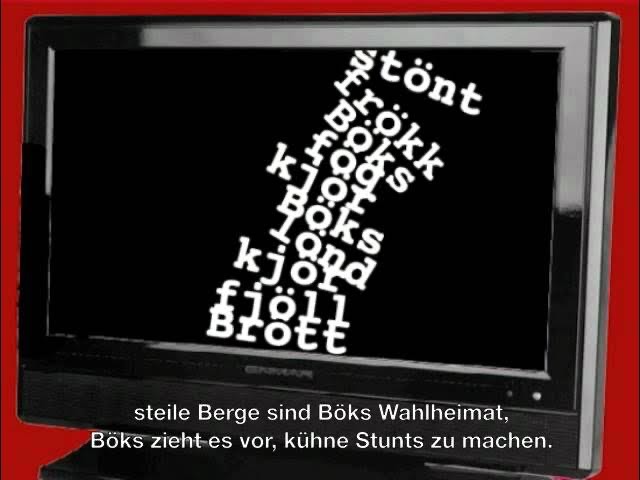
Poetry film is a song which is not a song. A poem within a film within a poem.
Poetry film is movable and dynamic.
Poetry film is not interactive. Uninteractive? Anti-interactive?
Poetry film is not an installation. Not letters on a screen. Not sounds in a speaker.
Poetry film has its roots – like all poetry – in language. It branches towards film – most notably animation and art film. But it moves from language towards film, not the other way around. This is important.
Poetry film is not a video of a poetry reading. It is not a short-film with a poetry score. It is not a film with poetry or a particular poem as a theme. Poetry film is not every instance of poetry in film.
It is in fact rarely filmed at all.
Poetry film concretises language in the same way that other poetry does, in the same way visual poetry does or sound poetry. It is still discovering its own particular rhyme, its particular alliteration, its penstrokes, keystrokes and phonemes. That which will define it. That which will help it self-identify.
Poetry film can use other poetries’ rhyme. Poetry film can use techniques and themes and concepts from other art forms. Letters and words. Sounds and movement and memes and melody. It in fact must and should strive to do as much of this as possible. Yet it must also fight to not become somebody else’s couplet, another art form, another verse form, another picture, just a film, merely a poem.
Poetry film must shed its novelty. Poetry film must reject its novelty and inseminate a tradition to be then continually renounced. This is the inane duty of all art.
This is the gameplay:
Poetry film is language looking at language for language. Poetry film is to selfie as poetry itself is to self-portrait. A continual mirroring of artist (language) in model (language) through audience (language). The most wonderful of all the fads.